In a Europe facing epochal challenges – from social polarisation to climate change, from gender-based violence to geopolitical tensions – dialogue between cultures, religions and institutions is confirmed as the key to building fairer, more cohesive and resilient societies. Five international events, held between November and December 2025, focused precisely on these themes, offering insights and perspectives for the continent’s future. These five events, different in topics and protagonists, are united by a common thread: the conviction that only through dialogue – between religions, cultures, institutions and civil society – can we address the challenges of our time. From ethics in public budgets to the fight against gender-based violence, from social cohesion to the diplomacy of hope, Europe presents itself as a laboratory of ideas and practices for a more humane and shared future.
1. Social Cohesion and Climate: The KAICIID Forum in Geneva
From 10 to 13 November, the Crowne Plaza in Geneva hosted the 6th European Policy Dialogue Forum (EPDF), promoted by KAICIID, IFRC and the European Council of Religious Leaders. The Forum addressed major issues of social cohesion in times of climate change, emphasising the need for new forms of solidarity and inclusion. Topics discussed included: intergenerational equity, the role of cities as laboratories of social innovation, the fight against structural inequalities and the promotion of common values as a basis for collective responses to crises. The Forum also gave space to innovative ideas for ethical financing and regional cooperation, with the aim of gathering concrete proposals for a more sustainable and inclusive European society.
2. European Commission: Responding to Polarisation
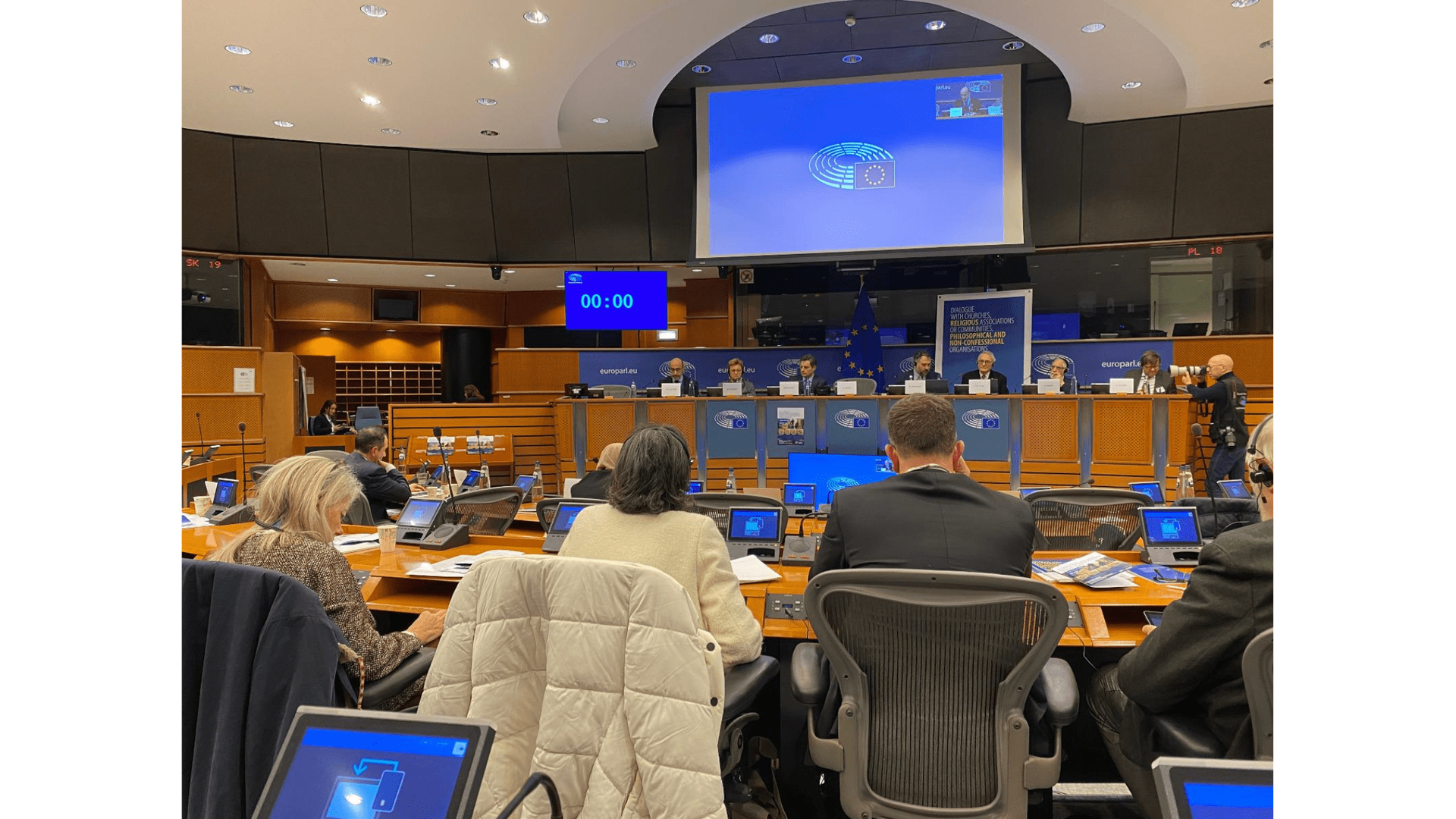
On 17 November, the European Commission convened a High-Level Dialogue in Brussels dedicated to the polarisation of societies. The meeting, as part of the dialogue provided for by Article 17, brought together representatives of religious, philosophical and non-confessional organisations. At the heart of the debate: the deep causes of social and political polarisation, and strategies to strengthen cohesion and constructive dialogue. It was a valuable opportunity to reaffirm the value of interreligious and intercultural dialogue as an antidote to division.
3. European Parliament. Beyond the Numbers: Ethics and Solidarity in the EU Budget
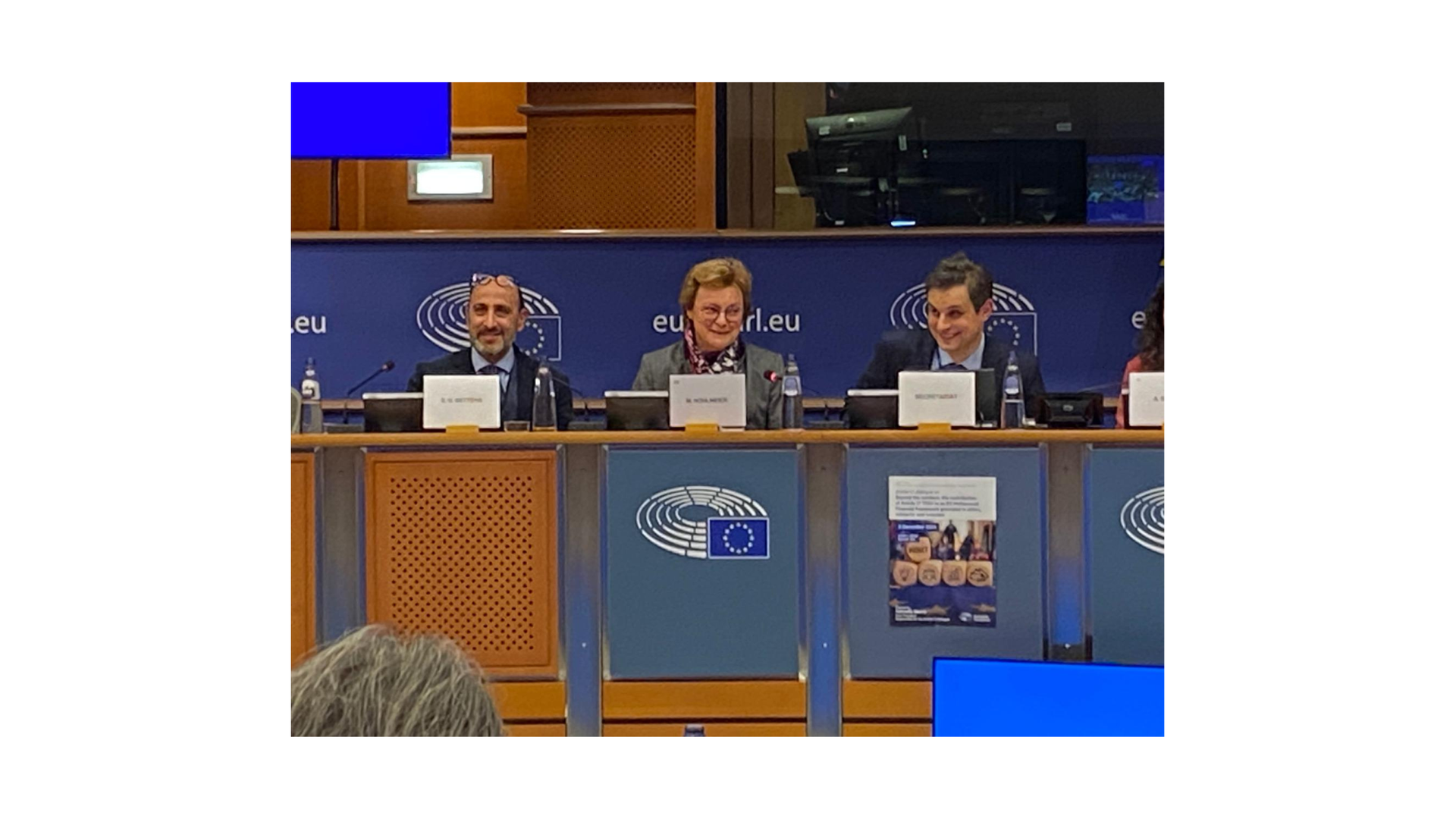
On 2 December, the European Parliament hosted the seminar “Beyond the numbers: the contribution of Article 17 TFEU to an EU Multiannual Financial Framework grounded in ethics, solidarity and inclusion”. The event explored how the EU’s multiannual budget can be inspired by ethical and inclusive principles, going beyond mere financial dimensions. The role of religious and philosophical organisations in defining fairer and more sustainable policies was discussed, as well as how the EU budget can promote a fairer and more competitive European social model.
4. OSCE. In Warsaw, Religions United Against Gender-Based Violence
On 4 and 5 December in Warsaw, the OSCE and ODIHR organised “Belief in CHANGE: Engaging Religious Actors to End VAWG”, an event dedicated to the role of religious actors in the fight against violence towards women and girls. Participants reflected on how religious and social identities can be both obstacles and vehicles for change, sharing good practices and strengthening support networks for victims. Central to the event was the involvement of faith communities in awareness campaigns and concrete prevention actions.
5. KAICIID. In Rome, the Diplomacy of Hope
On 18 December, the Augustinianum Congress Centre in Rome hosted the KAICIID Reflective Roundtable “Religion and Diplomacy”, co-organised with the Dicastery for Interreligious Dialogue of the Holy See and the European Muslim Leaders Majlis. The meeting explored the ambivalent role of religion in global crises and the growing importance of interreligious diplomacy. The concept of a “diplomacy of hope”, inspired by Pope Francis, was discussed, inviting religious and political leaders to be agents of reconciliation and justice. Particular attention was given to the contribution of women and young people of faith in conflict resolution and the building of lasting peace.
represent Buddhists on an European level